quist
[/ kwi:st /] noun
a wood pigeon
West Midlands and Southwest England dialect
of obscure origin
Quist is a changeable thing.
Sometimes it’s quiet and wistful, having lost a syllable or two in some wooded glen when it was just a quistling, a biographical fact that makes it feel sad and a little special, too.
At other times, Quist is a scorching blaze in the sky—the quintessence of flight, on a quest to recover what it lost or never had. Touch Quist at your own peril; if you try to hold it back, it will burn your hand like the molten tail of a falling star.
When people come over unannounced, Quist may become querulous and pick a fight, or else conceal itself among the branches of an oak or inside a thicket of buckthorn and wait for them to leave. Depends on the visitors, really.
Quist is quizzical, peering out from its nest and taking in all the disorder, confusion, and noise—Noise, NOISE. Sometimes it puts its wing over its head and weeps; other times, it quakes and caterwauls along with the shrieking universe for the sheer pleasure of being alive.
Quist is quirky. Not everybody gets it and that’s okay—except for when being an outsider feels like a thirst that will never be quenched.
Quist has questions and demands answers (even though it suspects it will have to figure things out for itself).
Masthead
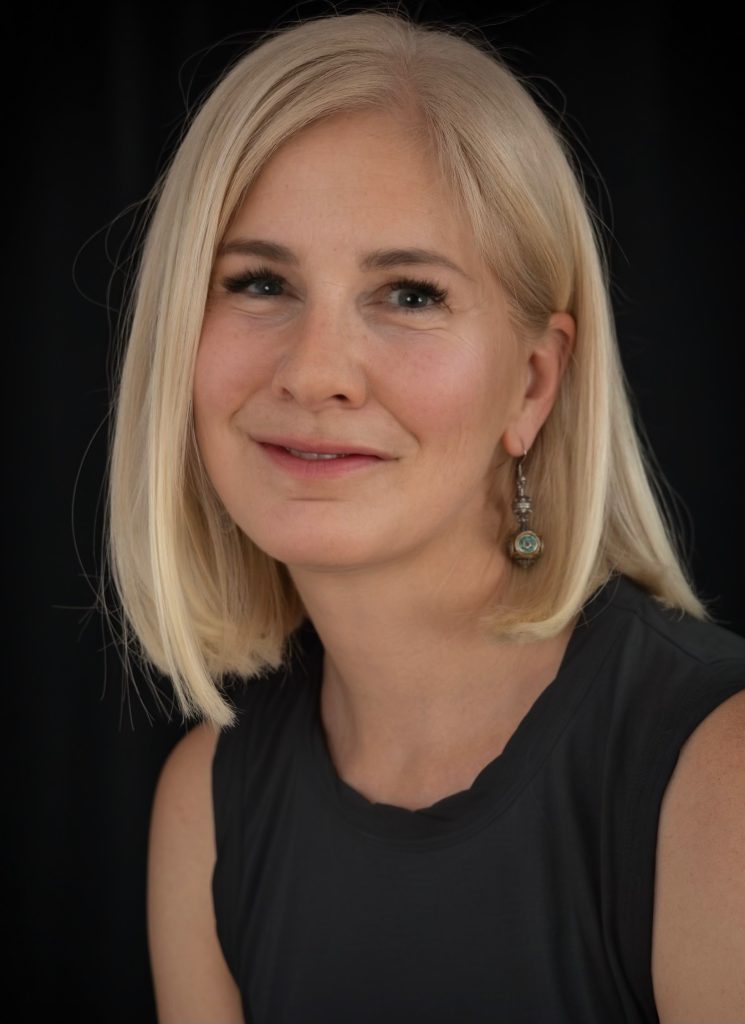
Jennifer DeLeskie
Editor-in-Chief, Prose Editor
Jen DeLeskie (she/her) is a writer based in Tiohtià:ke (Montréal), on the traditional and unceded land of the Kanienʼkehá:ka people. Her work spans literary realism, horror, science fiction, fantasy, and personal essay. As Quist’s prose editor, she’s drawn to stories that work like onions—just when you think you’ve found the heart, there’s another layer underneath. She loves sneaky stories that surprise you, whether by knowing the rules and then breaking them, or by taking you somewhere you didn’t expect. Most of all, she loves stories that feel like they absolutely needed to be told. She cannot resist a beautifully-crafted sentence.
(Photo credit: Pantea Pezeshkan)
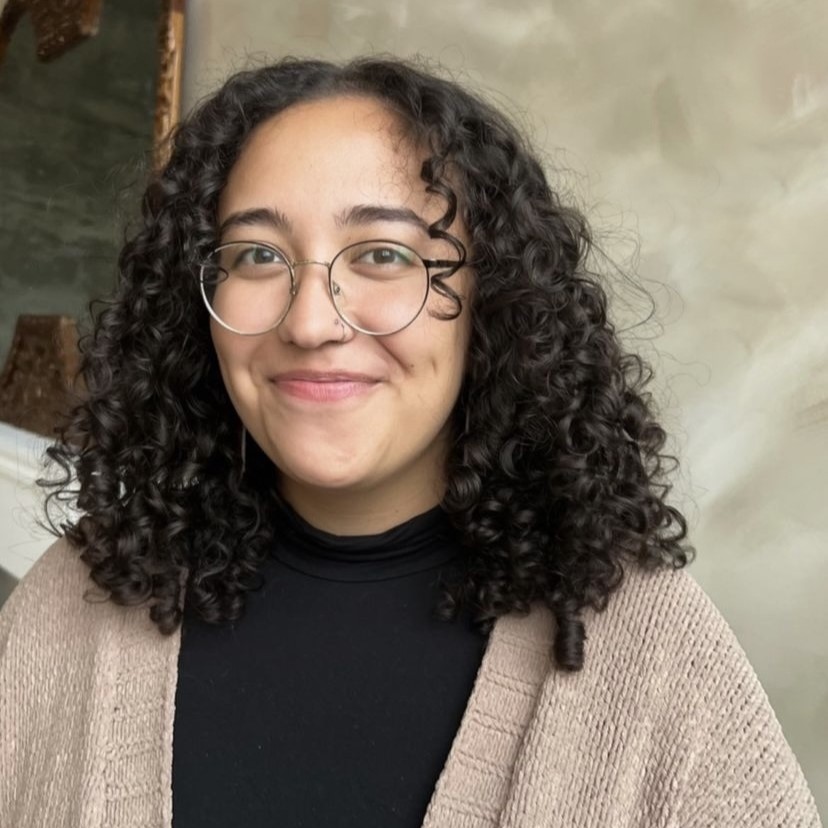
Erin Samant
Managing Editor
Erin Samant (she/her) is a graduate student at the Université de Montréal and works as Managing Editor at flo. Literary Magazine (along with Quist). In her spare time, you can find Erin reading memoirs, sipping iced lattes and tending to her countless houseplants.

Jessica Bebenek
Poetry Editor
Jessica Bebenek (she/her) is a queer interdisciplinary poet, bookmaker, and educator who splits her time between Tiohtià:ke (Montreal) and an off-grid shack in the woods on unceded Anishinaabe land. Since 2015, she has been facilitating events, workshops, and classes at the intersections of poetry, risograph printing, collage, zine-making, and magic. Her seventh chapbook, You Don’t Get Out Much, on living with chronic pain, was released in Summer 2024 and her first full-length poetry collection, No One Knows Us There, will be published by Book*hug Press in 2025.
As an editor, she is looking for poems which express something true about the unique life of their author with raw honesty, as well as poems which explore and expand the idea of what a poem can be. She loves to be surprised by a poem—give her the goosebumps.

Regan Shrumm
Arts Editor
Regan Shrumm is a queer, genderqueer, and disabled interdisciplinary artist and curator currently living in the unceded and traditional lands of Kanien’kehá:ka/Mohawk Nation (Tiohtià:ke/Montréal). They are a white settler of Italian, German, Polish, Scottish, and English ancestry. Regan’s practice focuses on social practice, textiles, and performances. With all these practices, their work is often built on collaboration planning with community, participatory events, and reciprocal in offering knowledge, learning, and unlearning. They received their MA in Art History at the University of Victoria and MA in Art Education at Concordia.
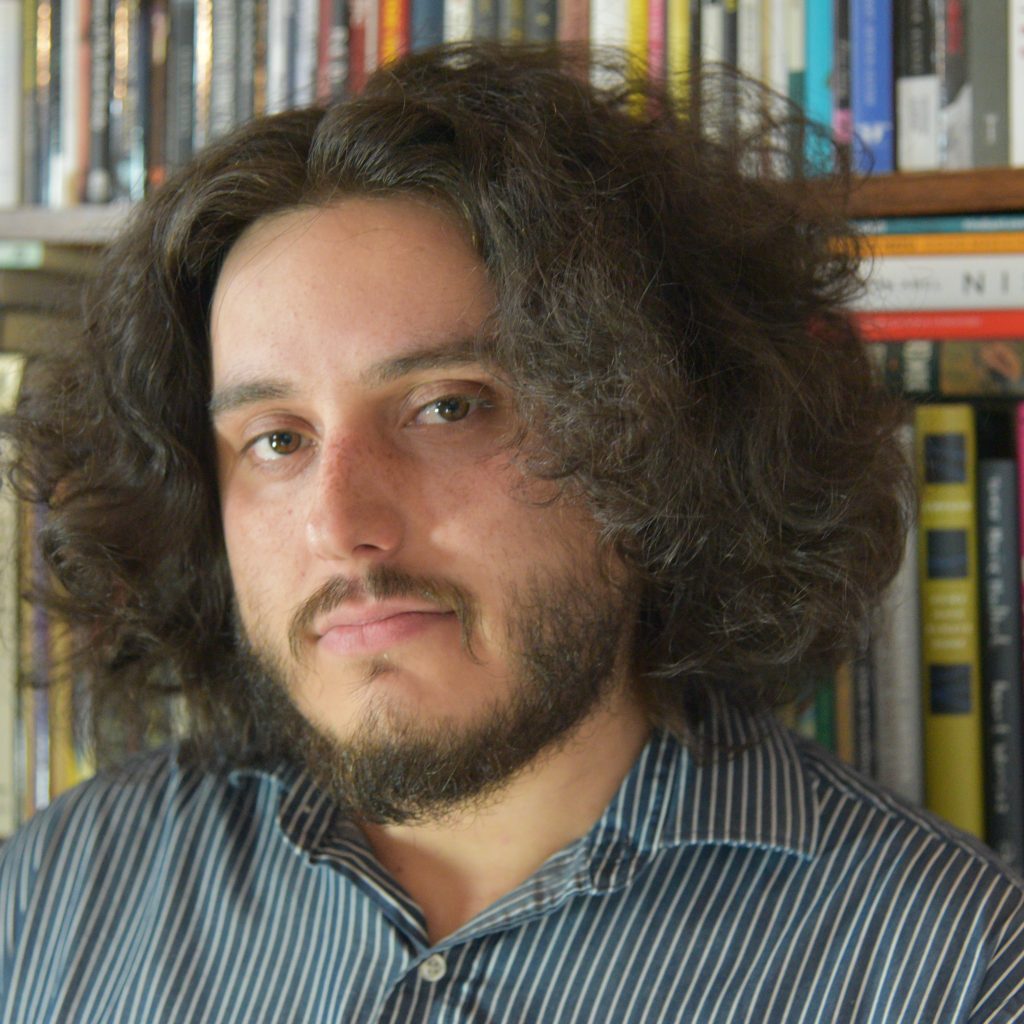
Gage Karahkwí:io Diabo
Editor, Indigenous Voices
Gage Karahkwí:io Diabo is a Mohawk scholar from Kahnawake and an Assistant Professor at Concordia University with a cross-appointment in English Literature and First Peoples Studies. Their research concerns the interweaving of land, oral tradition, and political philosophy in Indigenous literature, especially that of the Mohawk nation and the Haudenosaunee Confederacy. Their essays on Beth Brant, Waubgeshig Rice, Tom Porter, Lee Maracle, and Robert Alexie have been published in Canadian Literature, Studies in American Indian Literature, Inter-Asia Cultural Studies, and The Capilano Review. They graduated with a PhD in English Literature from the University of British Columbia in 2023 and recently held the Horizon Postdoctoral Fellowship at Concordia.
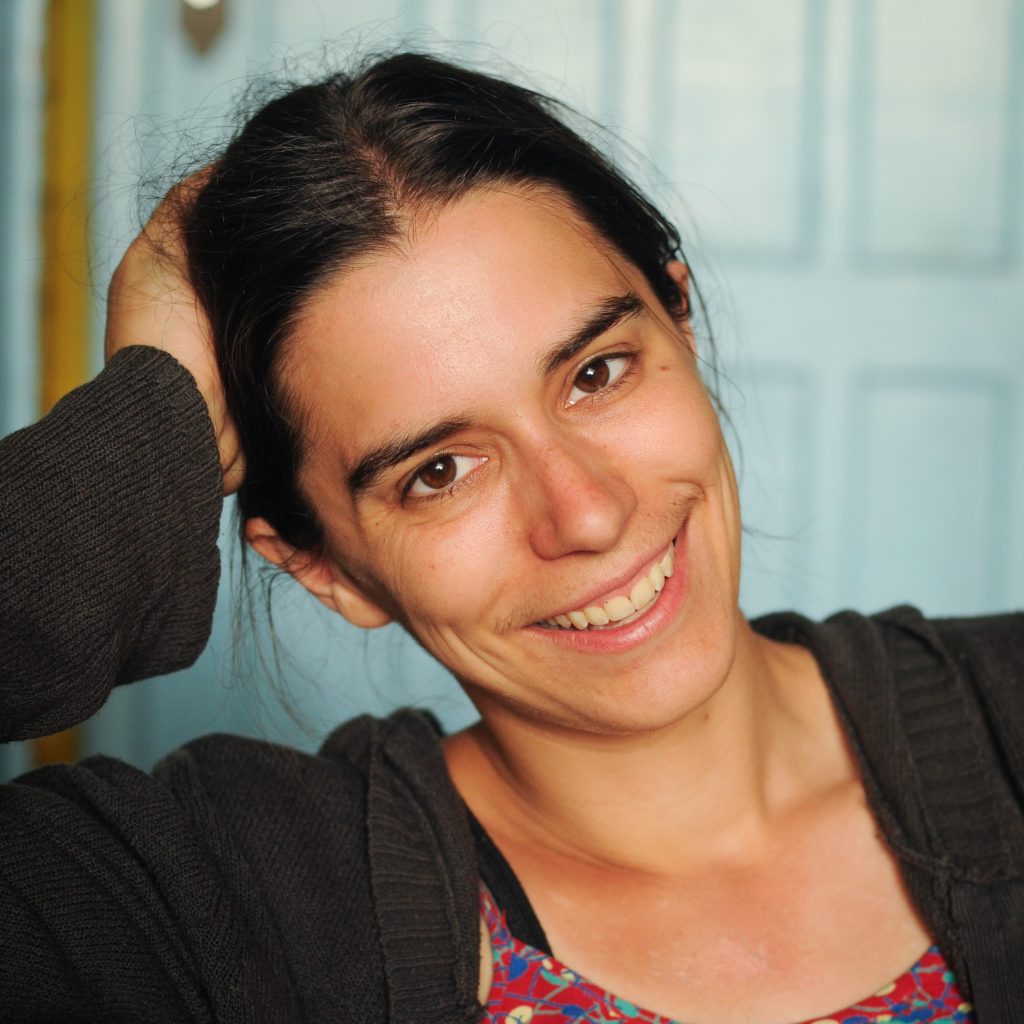
Mary Thaler
Associate Prose Editor
Mary Thaler is formerly an oceanographic scientist and currently makes a career out of translating, editing, writing, and zine-making. She makes art about her interests, including science and urban foraging, and she recently co-translated the satirical graphic novel The Conquest of the Cosmos, published with Pow Pow Press. Mary loves when writers use language that surprises her and wakes up all of her five senses. Whenever she reads, she’s hoping to learn something new about the human experience. She lives in Quebec City.
Jason Selman
Associate Poetry Editor
Jason “Blackbird” Selman is a Montréal-born poet, trumpet player and community worker. He is the author of The Freedom I Stole (Cumulus Press), Africa as a Dream That Travels Through My Heart (Howl), and co-editor of the poetry anthology Talking Book (Cumulus Press) which chronicles the writings of Kalm Unity Vibe Collective (of which he is a founding member). He works as a teaching artist, facilitating poetry workshops in schools across the Montréal area and beyond. His work is grounded in the themes of ethno-musicology, surrealist expression, love, and the intersection of masculinity and emotional vulnerability.
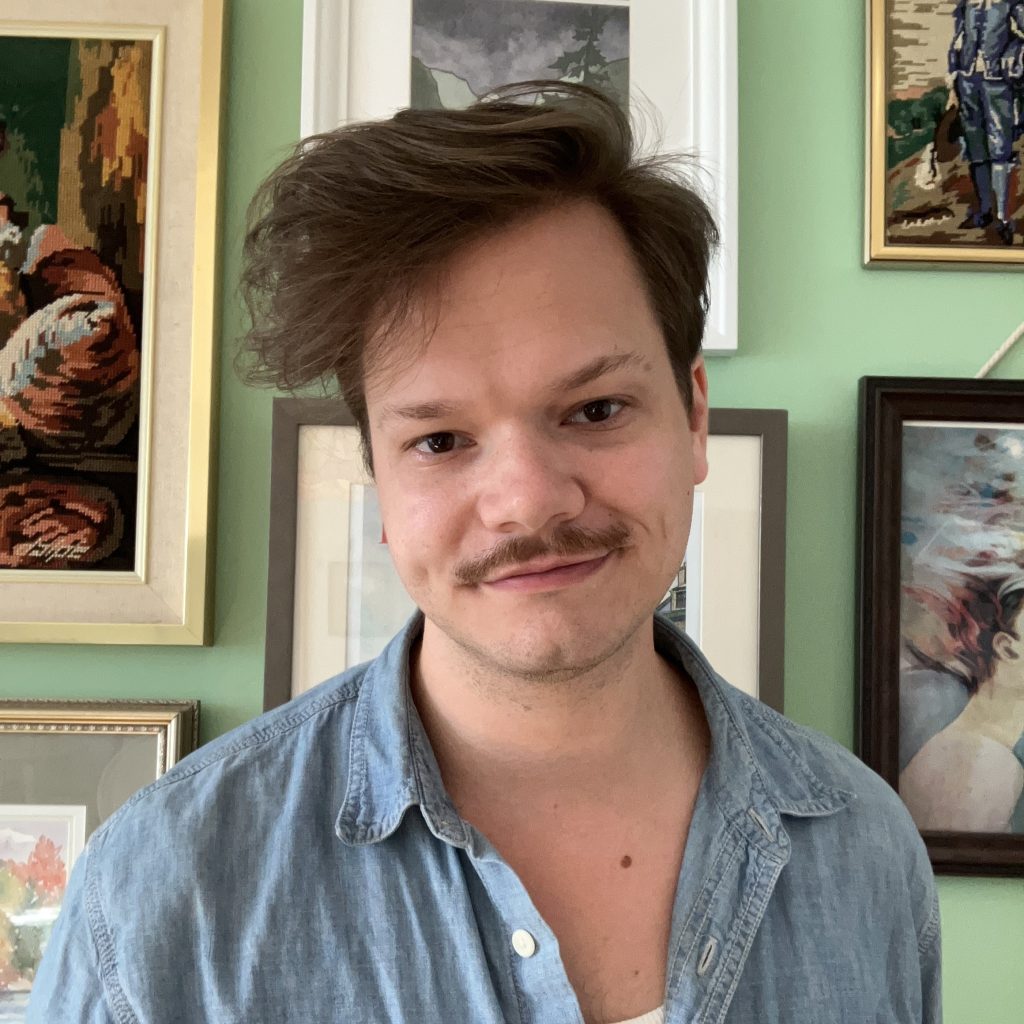
John Wickham
Web Designer
John Wickham (he/him) is a communications professional with a background in arts management, education, and content strategy. He is the communications officer of the Quebec Writers’ Federation, where he has worked since 2022. Prior to his work in the arts, he worked as an editor and writer in marketing and as a college lecturer in English and history. He lives in Montreal with his partner and two cats.
Quist is based in Tiohtiá:ke, the unceded territory of the Kanien’kehá:ka. Quist’s editorial team recognizes that we are working and creating on land from which Indigenous peoples have been dispossessed, and that colonization and its effects are ongoing. We acknowledge the enduring presence, sovereignty, and cultural life of the Kanien’kehá:ka and other Indigenous peoples on this land.
For a map of the traditional lands of the Indigenous peoples of Quebec, Canada, and beyond, visit Native Land Digital.